
Since 1966, International Literacy Day has been a global moment to recognise literacy as a fundamental human right and a foundation for lifelong learning.
In 2026, marking its 60th anniversary, International Literacy Day carries the theme "Literacy for people, the planet and prosperity." The theme points to a truth worth sitting with: literacy is about far more than the ability to read and write. It gives people the tools to participate in society, access opportunity, navigate a digital world, and engage with the challenges shaping their communities and the planet. (UNESCO)
Despite decades of progress, millions of people are still being left behind, and the reasons why are worth understanding.
The Global Challenge for Literacy
In 2024, at least 739 million youth and adults worldwide lacked basic literacy skills. Women account for nearly two-thirds of that number. (UNESCO) Among children, the picture is just as urgent: according to UNICEF, nearly two-thirds of 10-year-olds globally cannot read and understand a simple written story by the end of primary school. (UNICEF)
Behind these numbers sits a challenge that gets far less attention: the literacy gap is also a language gap. An estimated 40% of learners worldwide are not being taught in the language they speak and understand most. (UNESCO)
For a child encountering a book for the first time, that gap changes what learning to read actually requires. When the language on the page is unfamiliar, a child isn't just decoding new words, they're trying to understand the story, the lesson, and the world being presented, all at once, before they can even begin to read for meaning.
Why Language Matters in Literacy
At NABU, language sits at the foundation of what we mean by meaningful literacy.
When children encounter stories in the language they speak at home, reading becomes more familiar and more relevant. They recognise the words, the places, the experiences already part of their lives. And when children see themselves reflected in a book, reading stops being just a classroom exercise, it starts building confidence, curiosity, and a sense of belonging.
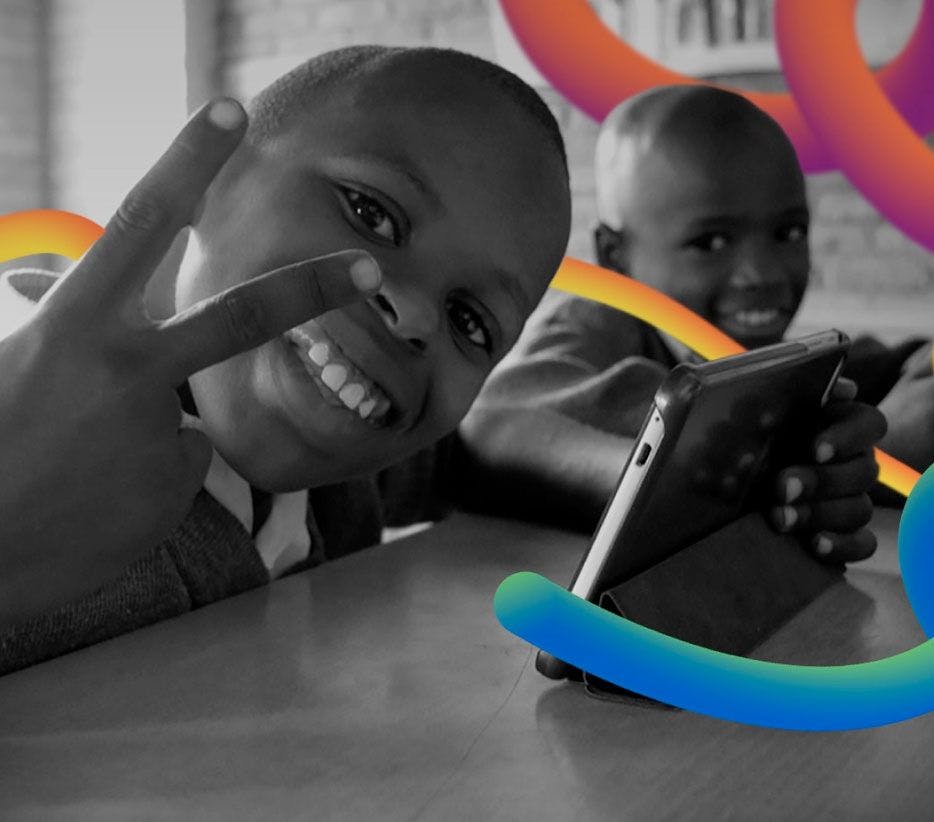
That's why, for the past 13 years (NABU), NABU has created culturally relevant children's books in the languages children actually know. Today, our library includes more than 1,300 titles in over 40 languages, reaching 14.2 million children through our digital platforms, Reading Corners, and literacy programmes.
But how children read is only half the equation. What they read matters just as much.
Literacy for People, the Planet and Prosperity
UNESCO's 2026 theme asks us to think about literacy as more than an individual skill, it's something that shapes wider social, economic, and environmental outcomes. Our books are built with that in mind: stories that help children understand themselves, their communities, and the world around them.
Waridi Travels to Space introduces girls to the idea that ambition has no ceiling. The Yak's Dream connects a child to the land and traditions of their community. Stories like these aren't separate from literacy, they're what literacy is for: giving a child access not just to words, but to a wider sense of what's possible for them.
Want To Get Involved?
Start Reading Today: Access NABU's free children's books in local languages through our mobile app and web reader. Visit the NABU Web Reader
Support Our Mission: Your support helps us publish more stories and reach more children. Donate here
Interested in Partnership? Collaborate with us to expand access to local language books. Contact us

Donate
Your donation makes a difference. Join us in our mission to ensure every child has equal access to literacy and learning resources.
THE IMPACT OF YOUR GIFT
NABU is free for children, families, and teachers, thanks to our generous donors. Your donation can make a big difference:
- $25 monthly subscription for one child: Provide access to the NABU app and hundreds of bilingual books for a child and their family
- $45 monthly subscription for one classroom: Gift NABU to a teacher for use in their classrooms to support student learning
- $1,500 to publish a children's book: Support our professional development initiatives, training local artists to create culturally relevant stories for children in their communities, with translations into 25 languages
- $5,000 to sponsor a country-wide children's radio program:Expand our impact through storytelling radio programs across an entire country